Use of Chopsticks
Introduction to Chopsticks
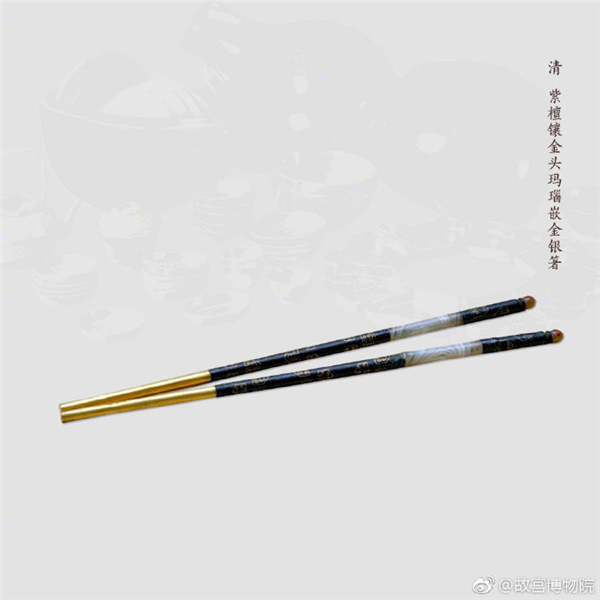
Chopsticks, known as "kuaizi" in Chinese, are a pair of small, equal-length tapered sticks used primarily in many Asian countries for eating. Typically made from wood, bamboo, or metal, these utensils are integral to the dining culture in East Asia, including China, Japan, and Korea. A pair of bronze chopsticks was excavated from the Ruins of Yin, near Anyang in Henan province, dating back to approximately 1,200 BC. These utensils have since become a symbol of Asian cuisine and cultural practices, extending beyond their functional use to embody various cultural etiquettes and traditions.
Historical and Cultural Significance
Chopsticks play an essential role in Chinese culinary culture, representing more than just a tool for eating. Chopsticks are typically 22 to 25 cm long, rectangular in shape, and feature a blunt end. The design of these chopsticks holds symbolic meaning: the round end represents heaven, while the square end symbolizes earth. This reflects the ancient Chinese belief in maintaining harmony between heaven and earth, which is the foundation of ensuring a stable food supply.
How to Use Chopsticks
Using chopsticks effectively requires practice and technique. The general method for holding and using chopsticks is outlined as follows:
-
Grip Formation: Begin by picking up the first chopstick with your middle finger and thumb. The broad end of this chopstick should rest at the junction where your thumb and index finger connect, while the narrow end should be supported by the tip of your ring finger. To hold it in place, use the tip of your middle finger.
-
Positioning the Second Chopstick: Grip the second chopstick with your index finger, placing your thumb over it to secure it. Adjust your grip to find the most comfortable position for you, ensuring that the narrow tips of both chopsticks are aligned to prevent crossing or difficulty in pinching the food.
-
Stabilizing Movement: The first chopstick should remain steady during the process of picking up food. You can stabilize it by holding the first chopstick firm and moving the second chopstick with a pivot-like motion using your index finger. Flexing the joint closest to the knuckle allows for opening and closing the chopsticks.
-
Practice: Practice opening and closing the chopsticks without letting the broad ends form an "X," as this may hinder the ability to pick up food.
-
Picking Up Food: To pick up food effectively, approach it at an angle of approximately 45 degrees from the plate, gently lifting it. If the food feels unstable, reposition the chopsticks and try again.
Etiquette in Using Chopsticks
Using chopsticks correctly is not only about technique but also involves adhering to certain etiquette, which varies across different cultures and regions. Some general guidelines include:
-
Avoid Playing: It is considered impolite to play with chopsticks, similar to playing with cutlery in Western cultures.
-
Handling Dishes: Chopsticks should not be used to move bowls or plates.
-
Sharing Etiquette: Avoid toying with food or dishes meant for sharing.
-
Proper Placement: Do not leave chopsticks standing vertically in a bowl of rice or other food, as this resembles incense sticks used in offerings to deceased family members.
-
Noise Management: It is poor etiquette to tap chopsticks on the edge of a bowl, as this gesture is associated with attracting attention in a manner similar to beggars.
-
Community Use: Use serving chopsticks, often a different color from personal chopsticks, to move food from shared dishes to personal bowls for hygiene purposes.
-
Avoid Chewing: Chopsticks should not be chewed on, nor should they linger in one's mouth for an extended period.
Chopsticks in Modern Times
In contemporary society, chopsticks have transcended their traditional use as dining tools to serve various functions. Exquisite chopsticks are often given as gifts, particularly to newlyweds, as they symbolize wishes for progeny due to the linguistic associations with "kuaizi." Moreover, chopsticks are now crafted with intricate designs, often depicting beautiful scenes, making them collectibles as well as functional utensils. The use of chopsticks is also believed to have cognitive benefits, such as improving memory and finger dexterity.








